UK Remote Gaming Duty Increase Takes Effect April 2026 Impacting Online Casino Operations

Effective April 1, 2026 the UK government raised the Remote Gaming Duty on online casino games including blackjack from 21 percent to 40 percent and this adjustment applies directly to gross gaming revenue generated by licensed operators. Industry observers note that the higher rate targets remote gambling activities and it comes as part of broader updates to gambling duties outlined in official government publications on Gambling duty changes.
Operators who hold UK licenses now face an immediate increase in their tax obligations and this shift alters the financial framework under which they calculate and remit payments to the Treasury. Reports from early 2026 highlighted that the change would apply uniformly across eligible remote products while excluding certain sports betting categories that operate under different duty structures.
Background on the Remote Gaming Duty Framework
The Remote Gaming Duty has served as the primary mechanism for taxing online casino and gambling revenue since its introduction and it calculates based on the net amount operators receive after player winnings. Prior to the April adjustment the 21 percent rate had remained stable for several years and it covered a range of games from slots to table titles like blackjack that attract significant player volumes in the UK market.
Data from regulatory filings shows that online casino revenue contributed substantially to the overall gambling sector totals before the rate change and the Treasury anticipated additional collections following the increase. Observers point out that the duty applies only to operators licensed by the UK Gambling Commission which ensures compliance through regular reporting and audits.
Industry Responses and Projected Effects
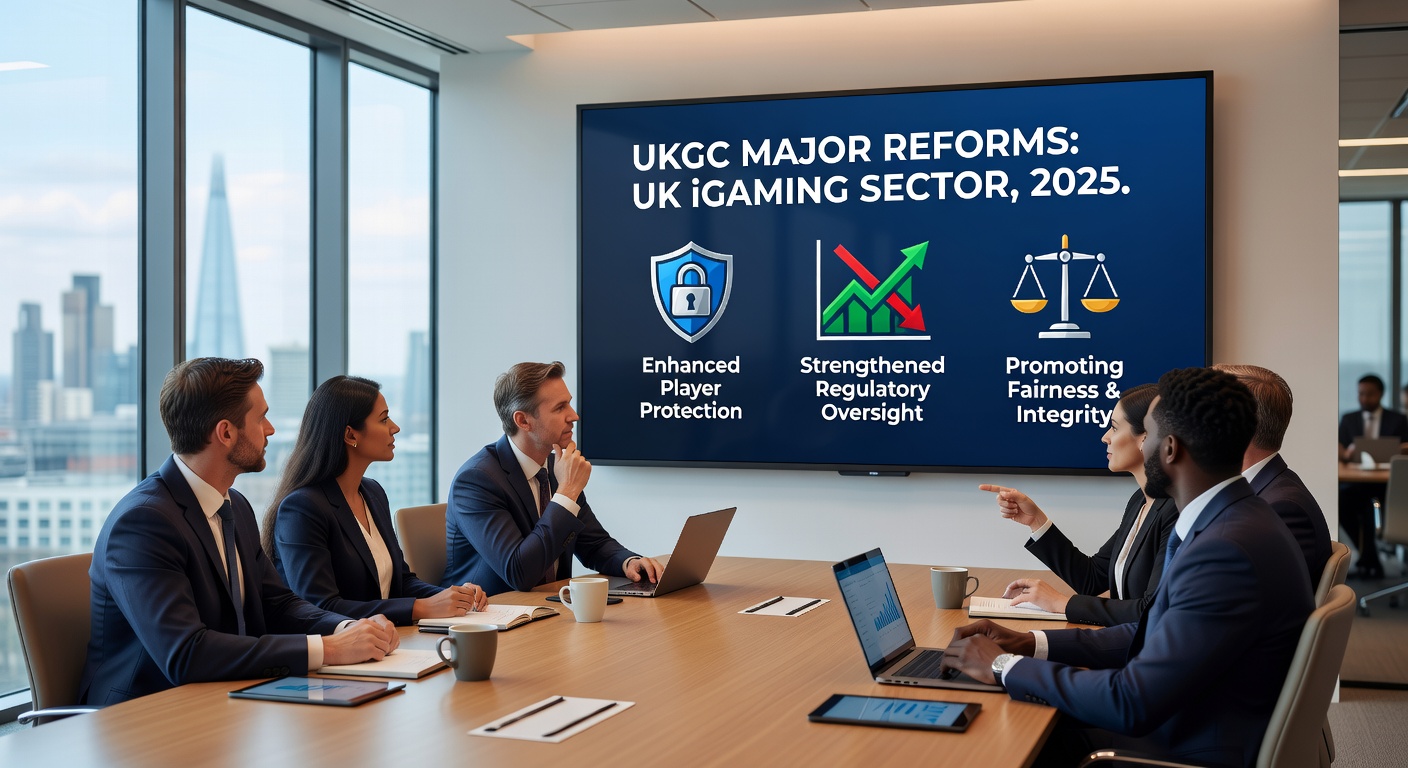
Industry observers warn that the tax hike on gross gaming revenue could trigger reduced operator margins and fewer promotions available to players and this combination might initiate a potential downward spiral in UK-licensed online gambling activity. Companies that previously allocated portions of their revenue toward bonuses and loyalty programs now evaluate how to maintain competitiveness while absorbing the higher duty costs.
Analysts examining operator statements from the first quarter of 2026 found that some platforms began adjusting their marketing spend and game offerings in anticipation of the new rate and these modifications include tighter bonus terms alongside selective game availability. The focus remains on preserving sustainable operations rather than expanding market share during the transition period.
Early Observations Following Implementation
By June 2026 initial figures from licensed operators indicated shifts in player engagement patterns and some platforms reported slower growth in active accounts compared with prior periods. Observers tracking these metrics noted that the higher duty coincided with changes in promotional calendars which in turn influenced how frequently players accessed certain casino titles.
Those monitoring the sector highlight that UK-licensed sites continue to compete with offshore alternatives and the duty increase may accelerate decisions about licensing jurisdiction for certain operators. Data released through industry briefings shows that compliance costs have risen and this places additional pressure on smaller or mid-sized companies that lack the scale of larger groups.
Regulatory Context and Compliance Requirements
The UK Gambling Commission maintains oversight of the duty collection process and operators submit monthly returns that reflect the updated 40 percent rate starting in April. Figures reveal that the government designed the adjustment to align remote gaming taxation more closely with land-based rates in some categories while addressing revenue needs identified in fiscal planning documents.
Stakeholders who reviewed the policy documentation emphasize that the change applies specifically to remote casino games and it does not extend to other forms of online betting that fall under separate duty regimes. This distinction helps clarify which activities face the new obligations and it supports consistent enforcement across the regulated market.
Conclusion
The April 2026 Remote Gaming Duty increase represents a significant policy adjustment that continues to shape the operational environment for UK-licensed online casinos and related activities. Observers continue to track revenue trends and player behavior patterns in the months following implementation and these insights inform ongoing discussions about the long-term balance between taxation and sector sustainability.