
UK Online Gambling Sector Navigates Offshore Competition and Player Protection Measures in 2026
August 2026 finds the UK online gambling market balancing steady growth against persistent challenges from illegal offshore operators who continue to capture significant wagers estimated at £2.7 billion annually. This figure reflects activity outside regulated channels where operators lack proper licensing and consumer safeguards. Data indicates that channelisation rates for casino games hover between 70 and 75 percent, meaning the majority of play occurs through licensed platforms while a notable portion still slips to unregulated sites.
Illegal Offshore Activity and Regulatory Response
Offshore operators present ongoing difficulties because they often evade taxation, ignore responsible gambling standards, and expose players to higher risks of unfair practices. The UK Gambling Commission has responded by establishing the Illegal Gambling Taskforce, a dedicated unit aimed at disrupting these operations through coordinated enforcement and international cooperation. Observers note that this initiative builds on existing efforts to steer players toward licensed sites that must adhere to strict rules on advertising, age verification, and financial protections.
Researchers have tracked how offshore sites frequently target UK players with aggressive marketing that bypasses local restrictions. Those who study market data point out that the £2.7 billion in wagers represents lost revenue for the regulated sector and reduced funding for harm prevention programs funded by operator contributions. The Taskforce now focuses on blocking payments, shutting down access points, and raising awareness about the differences between licensed and unlicensed offerings.
GamStop Growth and Responsible Gambling Tools
GamStop registrations have surpassed 50,000 in 2026, showing increased uptake of the national self-exclusion scheme that allows players to block themselves from licensed UK gambling sites. This growth coincides with broader use of responsible gambling tools such as deposit limits, reality checks, and session reminders that operators must provide under Commission rules. Data shows these features help many users maintain control over their activity while also giving operators clearer signals for intervention when patterns suggest potential harm.
Industry figures reveal that tools integrated directly into platforms achieve higher engagement rates than standalone options. People often find that combining self-exclusion with spending caps creates a more comprehensive safety net. The rise in GamStop numbers suggests greater public awareness, partly driven by mandatory messaging on licensed sites that directs users to support resources when needed.
Popular Games and Market Dynamics
Slots, poker, live dealer titles, and blackjack remain among the most played categories on licensed UK platforms. Blackjack attracts steady participation because of its combination of skill elements and straightforward rules that appeal to both casual and experienced players. Licensed operators promote these games within a framework that includes fair random number generators and transparent payout percentages, features not guaranteed on offshore alternatives.
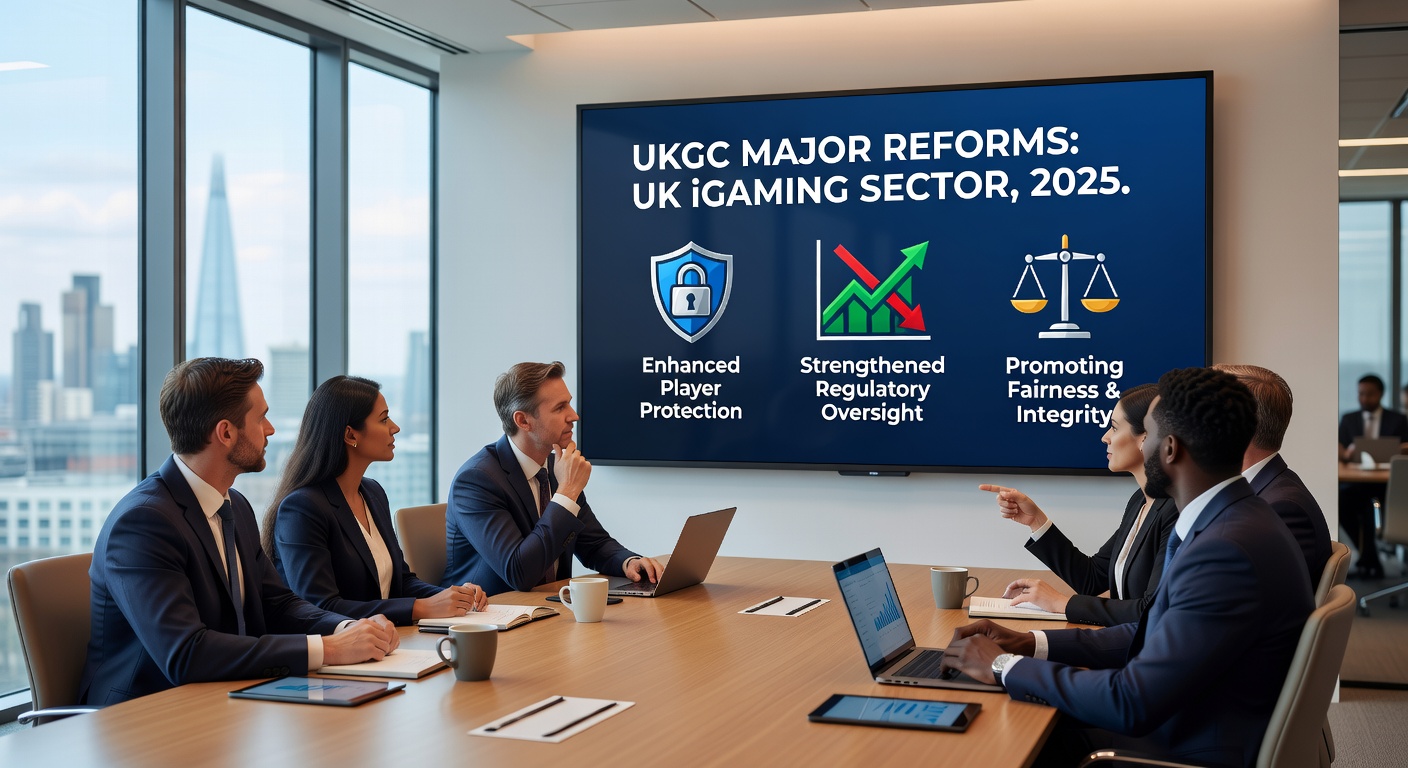
Channelisation rates between 70 and 75 percent indicate that most casino play now occurs legally, yet room remains for further improvement. Experts tracking these percentages observe that stronger enforcement against illegal operators tends to push more activity into the regulated space over time. This shift supports both consumer protection and government revenue collection through licensing fees and taxes.
Future Prospects with AI Integration
Looking ahead, AI technologies are expected to play a larger role in compliance monitoring and player protection across the UK market. Systems that analyze betting patterns in real time can flag unusual behavior faster than manual reviews, allowing operators to offer targeted support or impose temporary limits when appropriate. Research indicates that machine learning models improve at identifying at-risk players when trained on large datasets from licensed platforms.
The UK Gambling Commission has signaled support for responsible innovation that maintains high standards for data privacy and algorithmic transparency. Those who follow regulatory developments note that AI applications must still comply with existing rules on fair treatment and non-discriminatory practices. Integration of these tools could further strengthen channelisation efforts by making licensed sites more appealing through personalized safety features that offshore operators rarely match.
Conclusion
The UK online gambling market in 2026 continues to evolve under the dual pressures of offshore competition and expanding player safeguards. Formation of the Illegal Gambling Taskforce, rising GamStop registrations, and growing adoption of responsible tools all point to a sector working to close gaps while maintaining appeal for games such as blackjack, slots, poker, and live dealer experiences. AI developments offer additional pathways for compliance and protection that could accelerate progress toward higher channelisation rates in the years ahead. According to data from the UK Gambling Commission, sustained enforcement and technological upgrades remain central to these ongoing efforts.