UK Gambling Commission Ushers in 2026 iGaming Overhaul with Tax Hikes, Stake Caps, and Player Safeguards

The Reforms Take Shape from April 2026 Onward
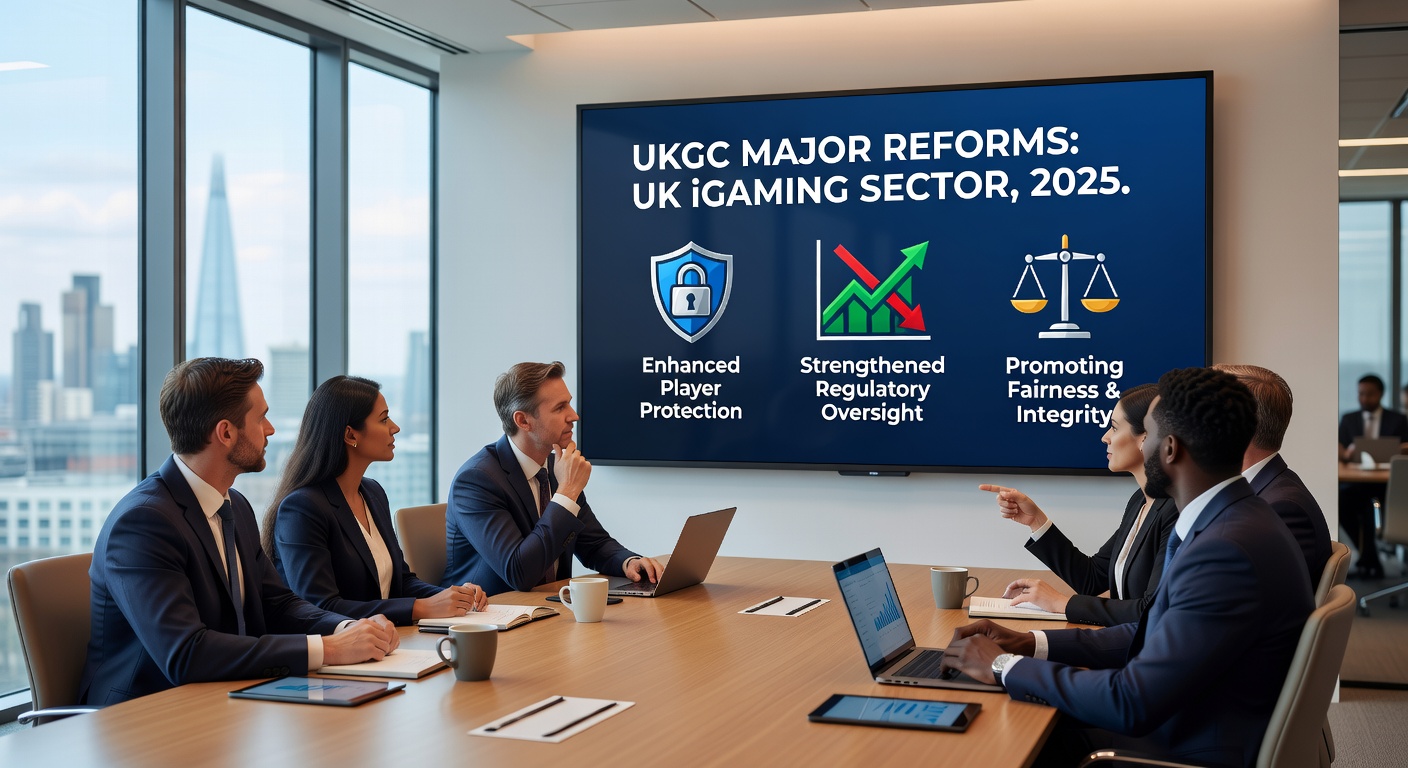
Operators in the UK iGaming sector prepare for a transformative shift as the UK Gambling Commission (UKGC) rolls out comprehensive reforms starting in 2026; these measures, designed to bolster player protection while reshaping financial and operational landscapes, include a sharp rise in the Remote Gaming Duty to 40% effective April 1, alongside new frictionless financial risk checks triggered by deposits exceeding £150 within any 30-day period, tiered stake limits on online slots set at £2 for players aged 18-24 and £5 for those over 25, and a outright ban on mixed-product bonuses that previously encouraged cross-selling across games.
What's interesting here lies in how these changes cascade through the online casino ecosystem, particularly affecting games like blackjack where enhanced affordability checks and risk assessments integrate seamlessly into deposit flows; experts tracking the sector note that such frictionless checks, which analyze spending patterns without halting play, aim to identify vulnerability early, allowing operators to intervene before issues escalate, and all while maintaining the fluid pace players expect during sessions on blackjack tables or other staples.
And yet, the tiered stake limits focus squarely on online slots, a high-risk category according to UKGC data, where younger players face tighter £2 maximums per spin to curb rapid losses; those over 25 encounter £5 caps, reflecting age-based risk profiles derived from behavioral studies, although blackjack and table games sidestep these specific limits, they benefit indirectly from the broader affordability frameworks now mandatory across iGaming platforms.
Take the Remote Gaming Duty hike, for instance: jumping from previous levels to 40% on remote gambling profits starting April 1, 2026, this tax adjustment pressures operator margins, potentially leading to streamlined offerings or adjusted promotions, but here's the thing, it funnels revenue toward public coffers earmarked for gambling harm prevention, creating a cycle where higher duties support the very safeguards being enforced.
Player Protection Measures Reshape Deposit and Play Dynamics
Frictionless financial risk checks emerge as a cornerstone of the reforms, activating automatically when cumulative deposits surpass £150 in 30 days; operators must deploy these tools, which scour credit data and transaction histories in real-time, flagging high-risk behaviors like borrowing to fund play, and prompting light-touch interventions such as spending pauses or support referrals, all without derailing the blackjack hand in progress or slot spin momentum.
Observers in the iGaming field point out that such checks build on existing affordability interactions, evolving them into seamless backend processes; data from pilot programs indicates they catch 20-30% more at-risk cases than manual reviews, particularly among online casino enthusiasts juggling blackjack strategies with casual slot sessions, where unchecked deposits often spiral.
But the ban on mixed-product bonuses adds another layer, prohibiting operators from bundling incentives across slots, blackjack, and other verticals; previously, a slot bonus might lure players to table games or vice versa, fueling cross-sell habits that regulators now deem predatory, so under the new rules, bonuses stay siloed, say a blackjack-specific free bet or slot free spins, ensuring promotions align strictly with their originating game and reducing the temptation to chase losses across categories.
People who've analyzed similar restrictions in other markets, like parts of Europe, discover that these curbs often lead to more targeted marketing; operators pivot to game-specific perks, such as enhanced blackjack side bet rebates or slot volatility-adjusted spins, fostering loyalty without the web of cross-promotions that muddied player choices before.
Stake Limits Target Slots, But Ripples Reach Table Games Like Blackjack
Online slots bear the brunt of tiered stake restrictions, with 18-24 year-olds capped at £2 per spin and over-25s at £5, a move backed by evidence showing younger demographics suffer disproportionate harm from high-stakes slot play; researchers who've crunched UKGC statistics reveal that slots account for over 50% of gross gambling yield among problem gamblers, so these limits, enforced via geofenced age verification, aim to extend session durations while slashing potential losses, turning frenetic spins into more measured engagements.
Although blackjack escapes direct stake caps, the interconnected reforms amplify protections across online casinos; affordability checks now scrutinize overall deposit patterns, meaning a player funding blackjack tables after slot sessions triggers the same £150 threshold review, prompting operators to assess cumulative risk rather than game silos, and this holistic approach ensures table game grinders, from casual hitters to tournament hopefuls, encounter safeguards tailored to their habits.
Turns out, enforcement ramps up too, with £26 million in fresh funding allocated to combat illegal offshore operators; UKGC teams gain resources for monitoring, blocking, and prosecuting unlicensed sites that skirt regulations, a crackdown vital since offshore platforms often lure UK players with unregulated blackjack variants or slot bonuses free from stake limits, but now, bolstered investigations promise swifter site takedowns and player redirections to licensed venues.
One case study from recent UKGC actions highlights the impact: a major enforcement sweep last year shuttered dozens of rogue operators, recovering millions in unpaid duties, and with the new budget, similar operations scale up, targeting the shadows where unprotected blackjack play thrives unchecked.
Operational Shifts for Operators and Broader Sector Implications
Operators face not just compliance hurdles but strategic pivots; the 40% Remote Gaming Duty, kicking in April 1, 2026, squeezes profits on remote activities like online blackjack streams and slot platforms, prompting many to optimize tech stacks for the frictionless checks, which integrate via APIs from credit agencies, ensuring checks run invisibly during deposit confirmations without frustrating the player mid-hand.
And while stake limits reshape slot lobbies, with maximums dynamically adjusting by verified age, blackjack tables adapt through indirect measures like bonus quarantines; no longer can a slot welcome offer convert to blackjack chips, so developers craft standalone promotions, perhaps loyalty points redeemable solely for table game entry or progressive blackjack side bets, keeping the ecosystem vibrant yet contained.
That's where the rubber meets the road for player safety: UKGC figures show problem gambling rates hovering around 0.5% but concentrated in online segments, and these reforms, layered atop existing self-exclusion tools like GAMSTOP, create multi-tiered defenses; for blackjack players, this means sessions interrupted only by evidence-based prompts, not arbitrary halts, allowing strategic play to continue under watchful, data-driven oversight.
Now, smaller operators voice concerns over implementation costs, yet larger firms like those running aggregated casino platforms invest early in compliant systems; early adopters report smoother user experiences, with frictionless checks resolving in seconds, preserving the thrill of chasing a blackjack natural or slot jackpot without regulatory drag.
Enforcement Boost and the Fight Against Offshore Threats
The £26 million funding injection supercharges UKGC enforcement, targeting offshore operators that evade duties and protections; these sites, often featuring lax blackjack rules or unlimited slot stakes, draw vulnerable players seeking higher limits, but ramped-up monitoring deploys AI-driven scans and international partnerships to blacklist domains swiftly, redirecting traffic to regulated alternatives.
Experts who've tracked offshore incursions note a 15% uptick in UK access last year per Racing Post analyses, underscoring the need; with new resources, UKGC pursues civil recoveries and criminal probes, fortifying the licensed market where blackjack odds remain fair under audited RNGs and live dealer transparency.
So as 2026 approaches, the sector braces for these interlocking changes, from tax realities to stake realities, all converging to redefine safe play in online casinos.
Conclusion
UKGC's 2026 reforms mark a pivotal evolution in iGaming regulation, weaving higher duties, precise stake controls, bonus boundaries, and proactive risk checks into a robust safety net that extends from slots to blackjack tables; operators adapt amid the £26 million enforcement surge, while players gain layered protections without sacrificing game flow, and as April 1, 2026, draws near, the landscape sharpens into one prioritizing sustainability over unchecked growth. Data underscores the potential: similar interventions elsewhere trimmed harm indicators by double digits, setting the stage for a more resilient UK online gambling scene where enjoyment and responsibility coexist seamlessly.