Tracing the Cultural Roots of Blackjack Side Bets Across International Casino Traditions
Blackjack side bets emerged from layered traditions that span continents and centuries, with roots that researchers trace back through European card games and later adaptations in Asian and American casino floors, where cultural exchanges shaped their rules and appeal. Observers note how these wagers, such as insurance or Perfect Pairs, often borrowed mechanics from local games like baccarat or poker variants, creating hybrid options that players encountered in international settings. Data from industry reports shows side bets gained traction in the mid-20th century as casinos sought ways to increase table action without altering core blackjack play.
European Foundations in Early Card Play
France introduced the precursor to modern blackjack through vingt-et-un in the 17th century, and side bets developed alongside it in salons where players wagered on specific hand combinations drawn from regional folklore and probability experiments conducted by mathematicians of the era. Those who've studied French gaming archives find that early wagers on pairs or totals mirrored elements of local tarot-influenced games, allowing participants to hedge against dealer outcomes while the main hand progressed. British pubs later refined similar concepts during the 18th century, incorporating insurance-style bets that reflected mercantile risk practices common in trade-heavy ports.
These European customs traveled with colonists and travelers, yet they evolved distinctly once they reached new shores, where operators adjusted payouts to match local economic conditions and player preferences observed in crowded gaming houses.
Asian Influences and Hybrid Wagers
Macau and Singapore casinos integrated side bets that drew from baccarat traditions, with options like 21+3 emerging as fusions that combined blackjack totals with poker-style three-card evaluations, a practice that gained visibility in the 1980s as international operators sought to attract regional audiences familiar with such melds. Research indicates these adaptations helped bridge cultural gaps, since players from East Asia often recognized the three-card logic from games played in private clubs and festival gatherings. Figures from casino data reveal steady growth in these bets during peak tourist seasons, when cross-cultural exchanges at the tables accelerated rule tweaks.
What's interesting is how regulatory bodies in Australia documented similar patterns in the 1990s, noting that side bets incorporating dragon bonuses or progressive jackpots reflected communal betting customs from mahjong circles adapted for electronic displays.
American Casino Innovations and Global Spread
Las Vegas operators popularized many contemporary side bets in the postwar boom, transforming European insurance into a staple while introducing pair-based wagers that echoed jazz-age poker rooms, and these versions spread worldwide through franchised properties and televised tournaments. Observers note that by the 2000s, digital platforms carried these traditions further, allowing real-time adjustments based on multi-deck formats common in North American venues. One study from a Canadian research institute highlighted how side bet participation rates shifted with tourism flows, particularly when events drew international crowds.
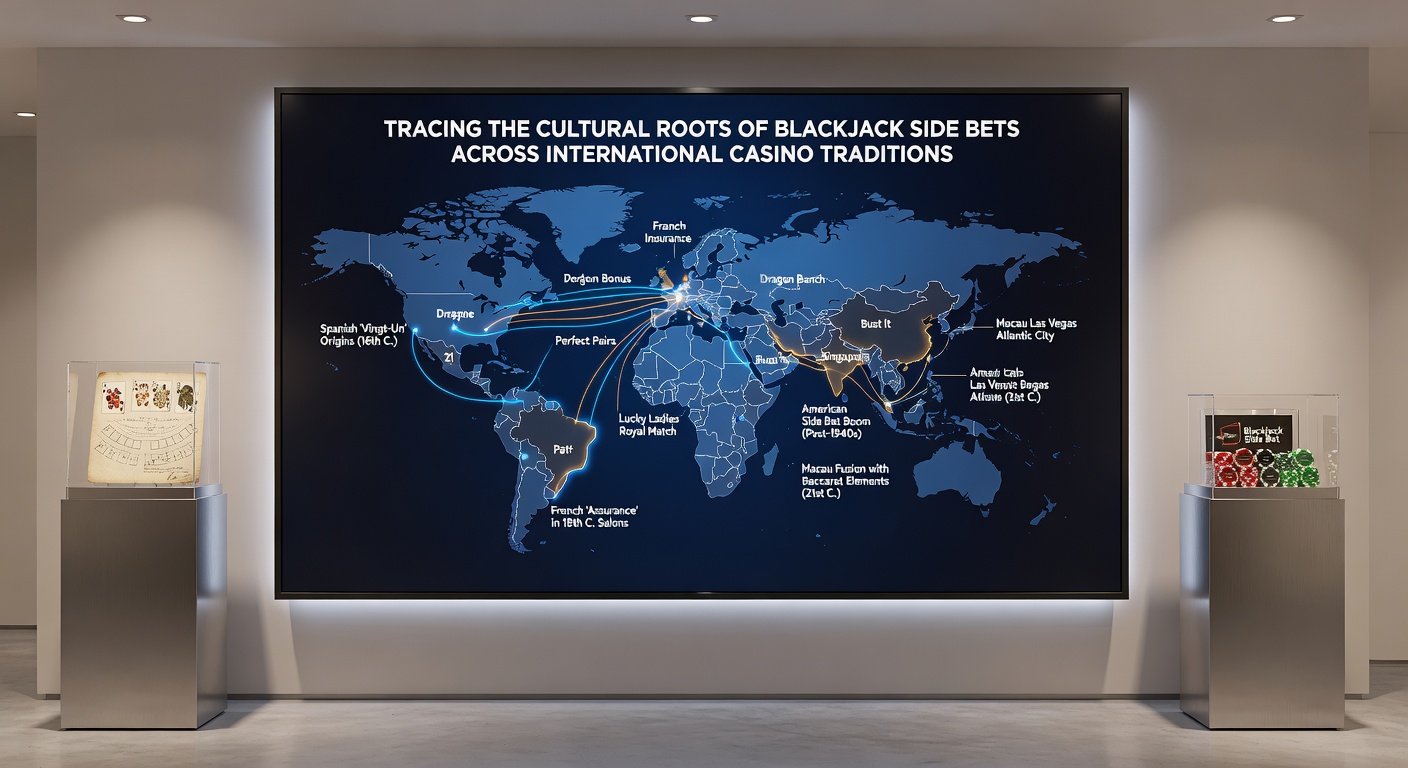
In May 2026, trade associations across multiple regions continue to track side bet evolutions at major expos, where developers present variants informed by historical data from European archives and Asian gaming floors alike, creating options that balance tradition with regulatory compliance in emerging markets.
Cross-Cultural Exchanges and Rule Adaptations
Travelers and dealers carried specific mechanics between continents, such as the surrender option paired with side wagers that first appeared in Caribbean resorts influenced by Spanish colonial card games, and these elements merged with American house rules to form hybrids still seen today. People who've examined casino ledgers from the 1970s discover patterns where side bets on suited hands gained favor in locations with strong maritime trade histories, reflecting symbolic ties to luck and fortune in those societies. Industry organizations like the American Gaming Association have compiled reports showing consistent integration of these features across properties, driven by player feedback loops that span borders.
Yet the process wasn't one-way, because Asian operators introduced progressive elements that looped back to Western tables, enriching the overall landscape while maintaining core payout structures tied to original cultural contexts.
Conclusion
International casino traditions continue to shape blackjack side bets through ongoing exchanges documented in regulatory filings and academic reviews, where historical threads from France, Britain, Asia, and the Americas intersect at modern tables. Evidence from diverse sources demonstrates that these wagers persist because they accommodate varied player expectations shaped by centuries of localized gaming practices, ensuring their place in both physical and virtual environments for years ahead.