The Interplay Between Venue Acoustics and Betting Tempo Adjustments in Card Table Environments
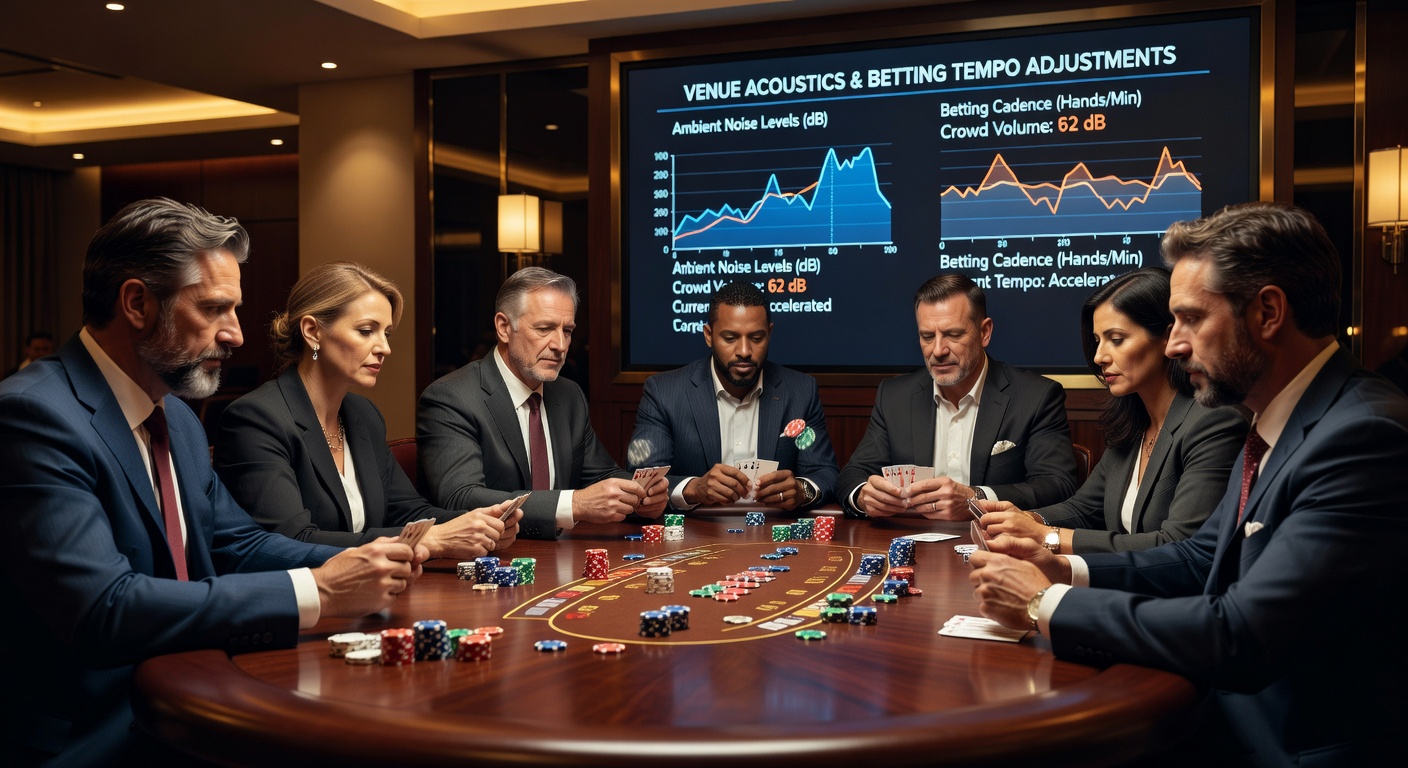 Casinos and card rooms create layered soundscapes where music, dealer calls, chip stacks, and crowd murmurs overlap in constant motion, and these acoustic conditions directly shape how participants time their wagers and sequence decisions at the table. Observers note that volume fluctuations often prompt quicker or more deliberate betting rhythms as players navigate distractions without breaking their strategic flow. Data from multiple gaming venues indicates that higher ambient noise correlates with shorter intervals between bets, while quieter moments allow extended pauses for calculation and adjustment.
Acoustic Profiles Across Card Table Settings
Card tables occupy distinct zones within larger gaming floors, each carrying its own acoustic signature shaped by ceiling height, flooring materials, and proximity to slot banks or bars. Researchers at the University of Nevada, Las Vegas have documented average decibel ranges between 68 and 82 dB during peak evening hours, with sudden spikes reaching 90 dB near high-action pits. These measurements reveal how hard surfaces amplify chip clatter and conversation while softer furnishings absorb some of the sharper transients.
Players respond to these profiles by altering the pace at which they reach for chips or signal intentions to the dealer. In environments where background music dominates, betting actions tend to cluster into shorter bursts separated by brief lulls. Venues that employ zoned sound systems create pockets of relative calm where longer deliberation becomes more common, allowing participants to maintain consistent tempo across multiple hands.
Observed Patterns in Betting Tempo
Studies tracking player behavior show that acoustic intensity influences both the speed of initial wager placement and the frequency of mid-hand adjustments. When crowd noise rises, many shift toward faster physical movements such as pre-stacking chips or using non-verbal signals that reduce verbal exchange time. Conversely, lower noise periods encourage slower, more measured actions as individuals verify counts or review recent outcomes before committing additional amounts.
Regulatory data collected through May 2026 across North American and European jurisdictions highlights consistent correlations between measured sound levels and average decision intervals at blackjack and poker tables. Venues reporting sustained volumes above 78 dB recorded 12 to 18 percent shorter average betting cycles compared with quieter properties. These figures come from aggregated floor observations rather than individual strategy logs, yet they illustrate broad environmental effects on tempo.
Strategic Adjustments and Environmental Cues
Experienced participants develop routines that account for predictable acoustic shifts throughout operating hours. Early afternoon sessions often feature steadier sound levels that support deliberate pacing, while evening transitions bring increased chatter and music volume that compress decision windows. Those who monitor these changes sometimes pre-load betting units or rehearse signals to preserve rhythm when external noise intensifies.
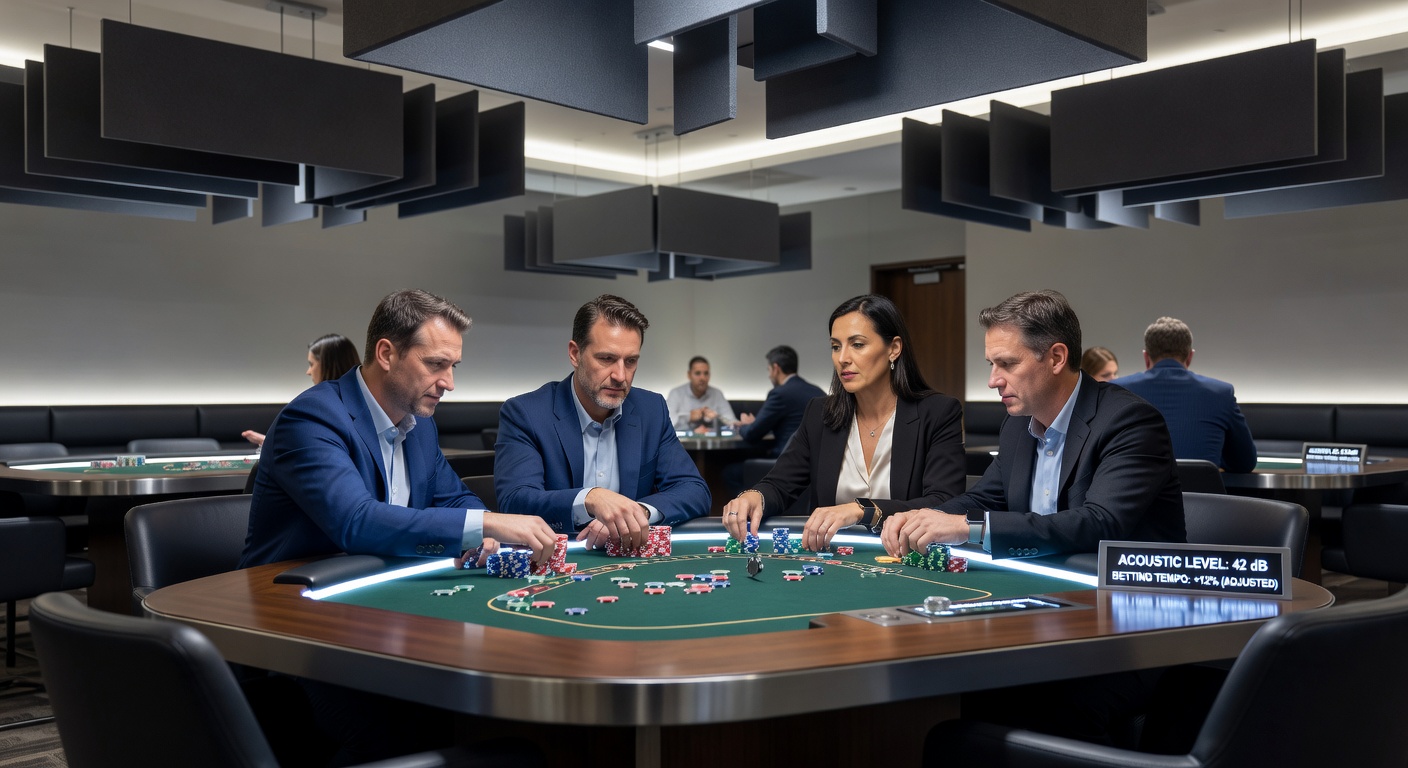
Technology integrated into modern tables further mediates these interactions. Some properties introduced subtle visual cues or dealer-prompt timing aids by spring 2026, helping maintain consistent action flow without relying solely on auditory awareness. Industry reports from the Canadian Gaming Association note that such tools reduce variance in betting intervals across different acoustic zones within the same facility.
Regional Variations and Venue Design Responses
Different jurisdictions exhibit distinct approaches to managing sound at card tables. Australian gaming regulations emphasize acoustic modeling during venue redesigns, requiring operators to balance entertainment value with playable conditions. European properties frequently incorporate variable lighting and localized speaker arrays that allow finer control over perceived noise without altering overall atmosphere.
These design choices affect how quickly participants can process information and execute bets. Venues that successfully dampen competing sounds report steadier tempo distributions throughout operating hours, while those retaining high-energy acoustics see more pronounced acceleration during busy periods. Observers tracking these trends emphasize that physical layout and material selections remain primary levers for influencing both acoustics and resulting player behavior.
Conclusion
Venue acoustics and betting tempo form an interconnected system where sound levels guide the rhythm of wagers and decision sequences at card tables. Data gathered through May 2026 demonstrates measurable links between ambient conditions and action pacing across diverse properties and regulatory environments. Continued refinement of venue design and table technology will likely shape how these dynamics evolve in coming years.