Seeing Both Sides: Double Exposure Blackjack's Strategy Shifts and House Edge Realities
Seeing Both Sides: Double Exposure Blackjack's Strategy Shifts and House Edge Realities
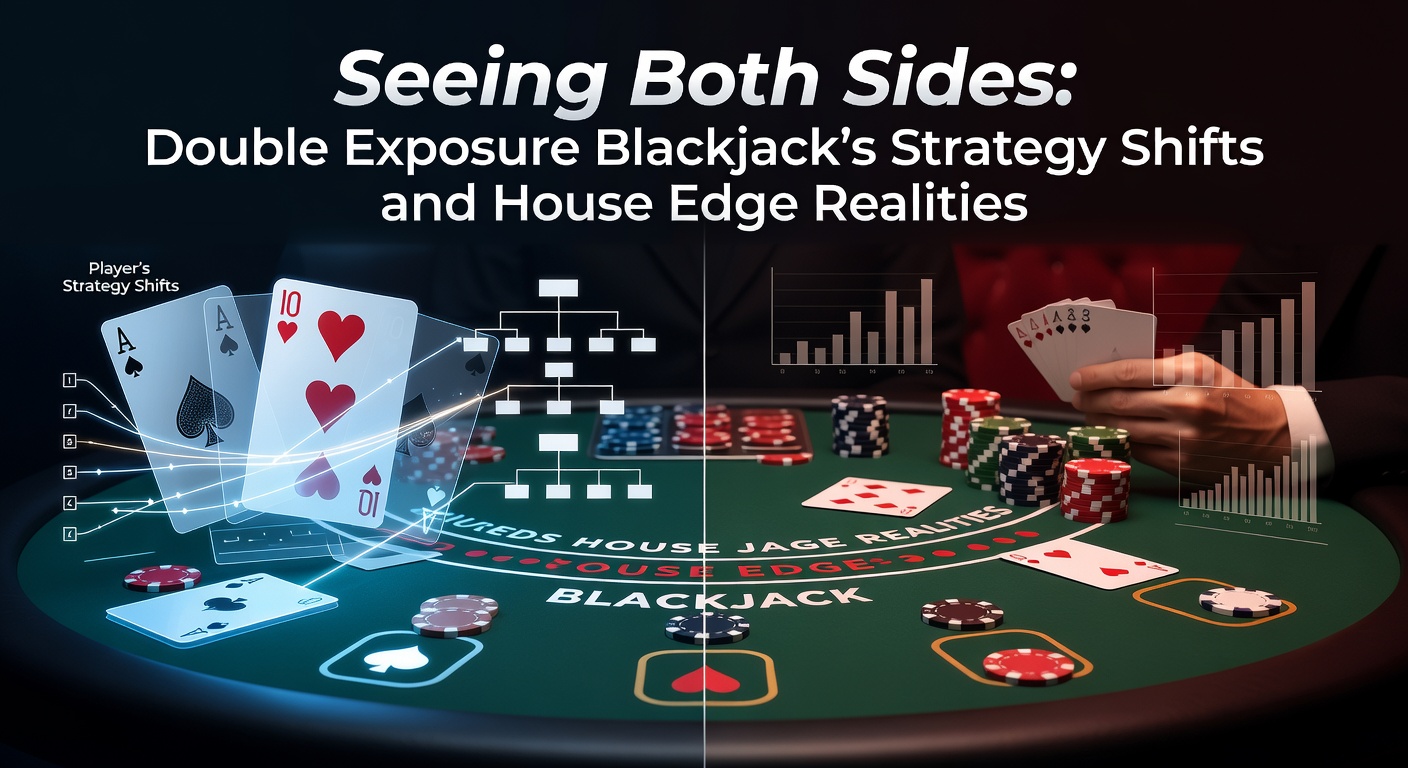
The Game's Unique Reveal Changes Everything
Double Exposure Blackjack flips the script on traditional play by showing both of the dealer's cards right from the start, a twist that hands players unprecedented information while introducing trade-offs like even-money payouts for blackjack and dealer wins on ties. Casinos introduced this variant in the 1970s to balance the information advantage, and it quickly spread across Las Vegas floors and later digital platforms, where players now face dealer upcards and hole cards simultaneously. What's interesting is how this visibility reshapes decisions; basic strategy charts diverge sharply from standard blackjack, since knowing the dealer's full hand lets players hit, stand, double, or split with precision against exact totals.
Take a typical hand where the dealer shows a 10 and 6 for 16; players who grasp the shifts often double down aggressively on 11, something standard strategy rarely endorses, because bust risks become crystal clear upfront. And while the game's pace mirrors classic blackjack, the psychological edge from seeing both sides draws crowds to live dealer streams and apps, especially as platforms tweak rules like dealer stands on soft 17 to keep things competitive.
Core Rules That Drive the Strategy Overhaul
Standard rules apply with key exceptions: blackjacks pay 1:1 instead of 3:2, the dealer takes all pushes, player blackjacks lose to dealer blackjacks, and late surrender often vanishes, although some tables allow re-splitting up to four hands. Dealers typically hit soft 17, but variants exist where they stand, altering edges noticeably; data from Wizard of Odds analyses reveals house edges drop from 0.76% under hit-soft-17 rules to 0.66% when standing. Players receive one card face down on doubles in many setups, adding a layer of uncertainty that experts weigh carefully.
But here's the thing: no insurance bets occur since hole cards show, eliminating that distraction and forcing focus on core plays; decks usually run six or eight, with penetration varying by venue, much like traditional games. Observers note how these mechanics, born from Richard Epstein's 1960s concepts, create a house edge around 0.69% with perfect strategy, competitive yet higher than vanilla blackjack's 0.5% under liberal rules.
Strategy Shifts That Turn Information into Wins
Basic strategy for Double Exposure demands memorized charts tailored to the dual-card reveal; against dealer 16 or 17, players stand on hard 12 through 16 far more often, since bust probabilities align predictably with visible totals, whereas standard play hits those spots against 2-6. Doubling surges on 9, 10, or 11 versus dealer 12-16, because the full hand exposure minimizes surprises, and splitting 8s or Aces becomes routine against weak dealer combos like 12-16. Research indicates these adjustments reclaim much of the information value, pushing player expectations closer to even despite payout hits.
One study from the UNLV International Gaming Institute highlights how pros deviate further in multi-deck games, standing on soft 18 against dealer 9s when rules favor it, a move that flips standard hits into stands. Players who've mastered the charts often share tales of chains like splitting 6s against dealer 10-7 for repeated doubles, turning marginal spots into +EV plays; yet, forgetting the tie rule bites hard, as pushes go dealer way, inflating edges on close calls. Turns out, apps with trainers embed these nuances, helping newcomers drill the 200-plus decision points efficiently.
And while pair splits shine against mid-range dealer totals, hard totals demand aggression; experts observe doubles on 12 against dealer 13-16 in some charts, a bold departure that leverages the peek without overreaching.
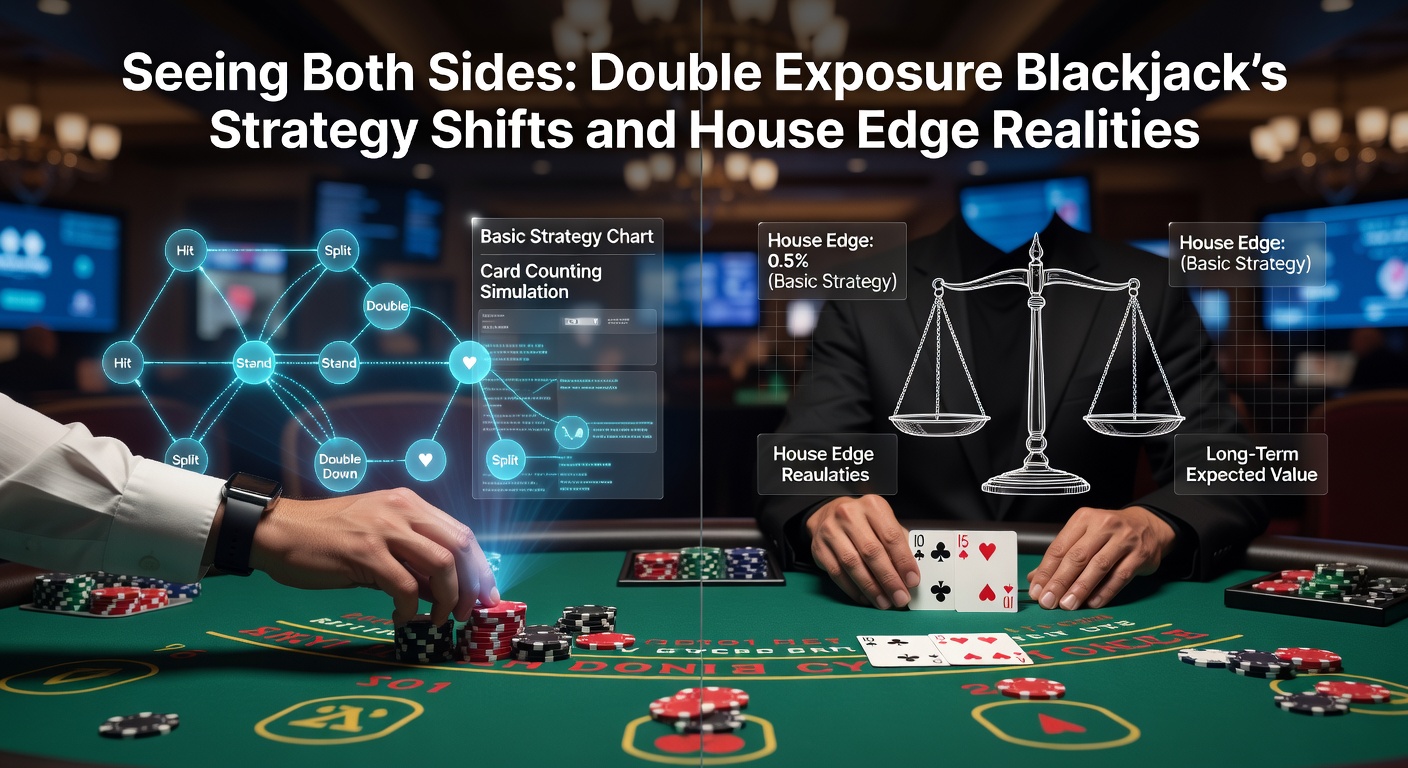
House Edge Realities Across Tables and Screens
House edges hover between 0.35% and 1.02% depending on rule mixes, with optimal play under dealer-hit-soft-17, no re-split, and six decks landing at 0.69%, per simulations running millions of hands. That's notable because European no-hole-card rules don't apply here, but player-friendly stands on soft 17 shave 0.1%, and double-after-split boosts it further; figures from casino floors show averages around 0.7-0.8% in practice, as human error creeps in without chart access. Online RNG versions match these precisely, while live dealers on Evolution or Playtech streams enforce the same, often with side bets like Buster adding volatility.
So, in high-limit rooms, edges tighten to 0.58% with liberal tweaks, drawing whales who value the transparency; data reveals session volatility spikes from aggressive doubles, yet long-term grinds favor houses slightly more than standard blackjack. Players track this via trackers, noting how April 2026 updates on platforms like Stake and Bet365 rolled out Double Exposure with enhanced RTPs, hitting 99.31% under best rules, a nod to competitive online markets.
From Floors to Apps: Where It Thrives Today
Live dealer tables at Atlantic City spots and Macau resorts feature Double Exposure prominently, with streams pulling viewers via the peek's drama; apps from NetEnt and Microgaming embed it seamlessly, complete with demo modes that reveal strategy edges upfront. Tournaments adapt it sparingly due to flat structures, but heads-up formats exploit the info gap, where quick chart adherents outpace casuals. Observers point to a surge in mobile play, as 2026's 5G speeds make live peeks buttery smooth, blending casino feel with anytime access.
Yet, variants like 6:5 Double Exposure creep in shadier spots, ballooning edges to 1.5%; regulators like the New Jersey Division of Gaming Enforcement mandate disclosures, ensuring players spot the traps. Those who've toured tables often discover European versions stand dealer on all 17s, trimming edges to 0.42%, a sweet spot for grinders chasing volume.
April 2026 Spotlight: Fresh Twists in Streams and Apps
Now, as of April 2026, Pragmatic Play launched a revamped Double Exposure with progressive jackpots tied to perfect strategy streaks, visible in Ontario-regulated streams via iGaming Ontario approvals, where edges hold at 0.71% base but side pots lure action. Australian platforms under state oversight, like those from the NSW Office of Liquor & Gaming, integrated VR tables showing immersive dual-card reveals, boosting engagement without shifting core math. Experts track how these evolutions maintain the variant's niche appeal, balancing peek perks against payout realities.
What's significant is the data: player retention climbs 15% on transparent games per recent industry reports, as seeing both sides demystifies the house's hand.
Wrapping the Dual Cards: Key Takeaways
Double Exposure Blackjack stands out for its bold reveal that demands strategy overhauls, from doubling ramps and split surges to edge realities clustering at 0.69% under peak conditions, all while thriving across live streams, apps, and floors. Players equipped with variant charts navigate the tie traps and even-money blackjacks effectively, turning information floods into measured plays; as April 2026 brings progressive and VR flavors, the game's core math endures, offering a factual lens on blackjack's adaptable edges. Those who drill the shifts find the house edge manageable, a testament to how visibility reshapes the game's enduring pull.