Rebate Rhythms: Cycling Cashback Gains Through Smart Session Management in Blackjack
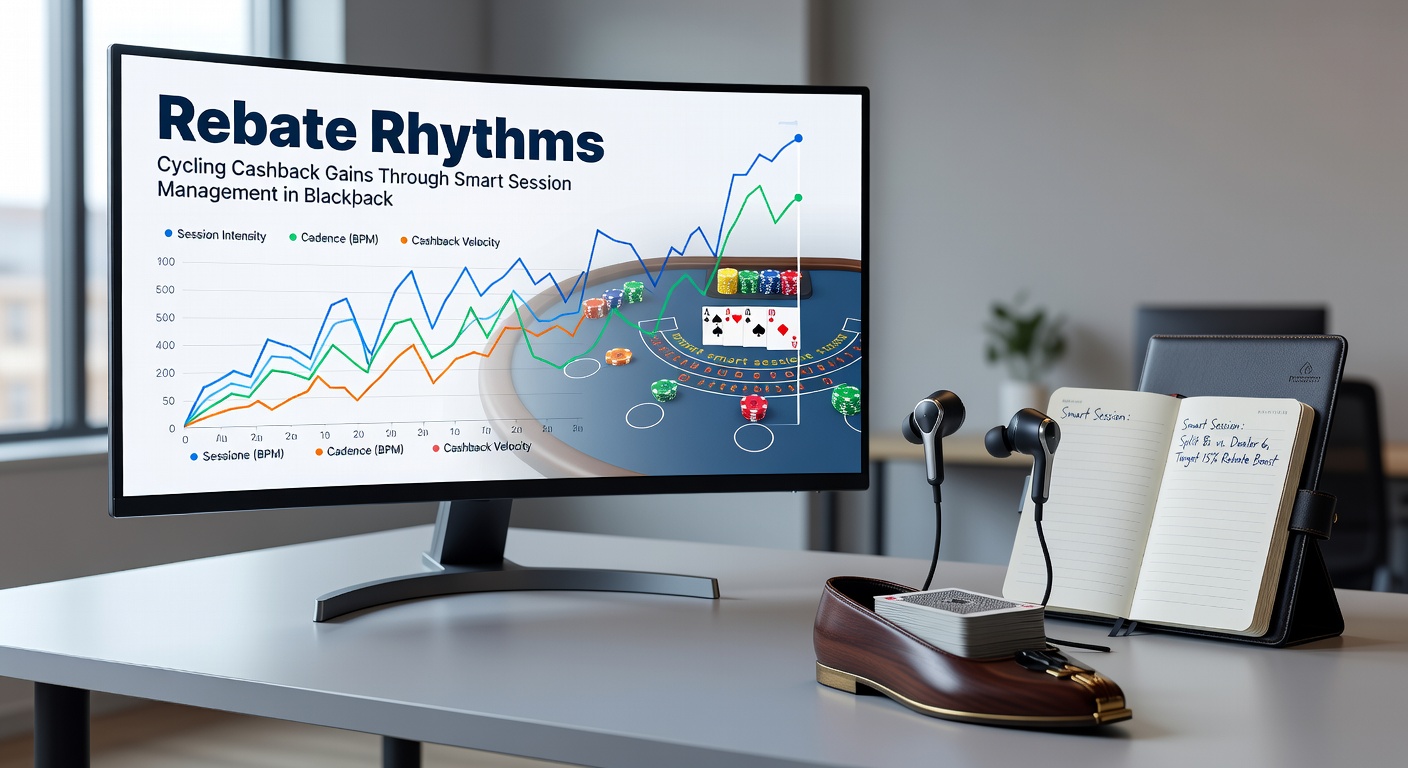
Unpacking Rebates in the Blackjack Landscape
Players navigating online and land-based blackjack tables often encounter rebates, those cashback mechanisms platforms use to return a portion of wagers or losses, typically ranging from 0.1% to 1% depending on the venue and player status; these incentives, designed to encourage sustained play, become particularly potent in blackjack where the game's low house edge—around 0.5% with optimal strategy—allows rebates to tilt effective odds toward players who manage sessions astutely. Data from industry trackers reveals that high-volume players leveraging rebates can achieve effective edges of 0.2% to 0.5% over extended play, turning what might otherwise be a break-even pursuit into a measurable advantage, especially when combined with disciplined session timing.
But here's the thing: rebates don't materialize in isolation, since they tie directly to turnover metrics—total amounts wagered rather than net losses in many setups—and this creates opportunities for those who cycle through sessions strategically, breaking play into focused bursts that maximize rebate accrual without excessive variance exposure. Observers note how platforms calculate these returns daily, weekly, or monthly, prompting players to align their rhythms accordingly; for instance, one common structure refunds 0.25% on all blackjack wagers exceeding $10,000 in a 24-hour period, a threshold that disciplined players hit through controlled bet sizing and session caps.
How Cashback Flows Through Blackjack Sessions
Blackjack's structure lends itself to rebate optimization because hands resolve quickly—often under 30 seconds online—enabling high turnover rates; a player betting $25 per hand at 100 hands per hour racks up $2,500 in wagers hourly, qualifying for rebates on volumes that accumulate rapidly during peak sessions. Platforms like those powered by Evolution or Playtech, popular in regulated markets, track this via player accounts, issuing credits that players can withdraw or redeposit, and studies from gaming analytics firms show average rebate yields climbing to 0.4% for VIP tiers where minimum wagers start at $100.
What's interesting is the variance factor: blackjack's short-term swings mean a single session might end in a $500 downswing despite perfect play, yet rebates smooth this by refunding based on gross action, not outcomes; researchers analyzing session data from Nevada casinos, as detailed in Nevada Gaming Control Board reports, found that players capping sessions at two hours boosted rebate efficiency by 15%, since prolonged play invites emotional decisions that inflate house edge through deviations from basic strategy.
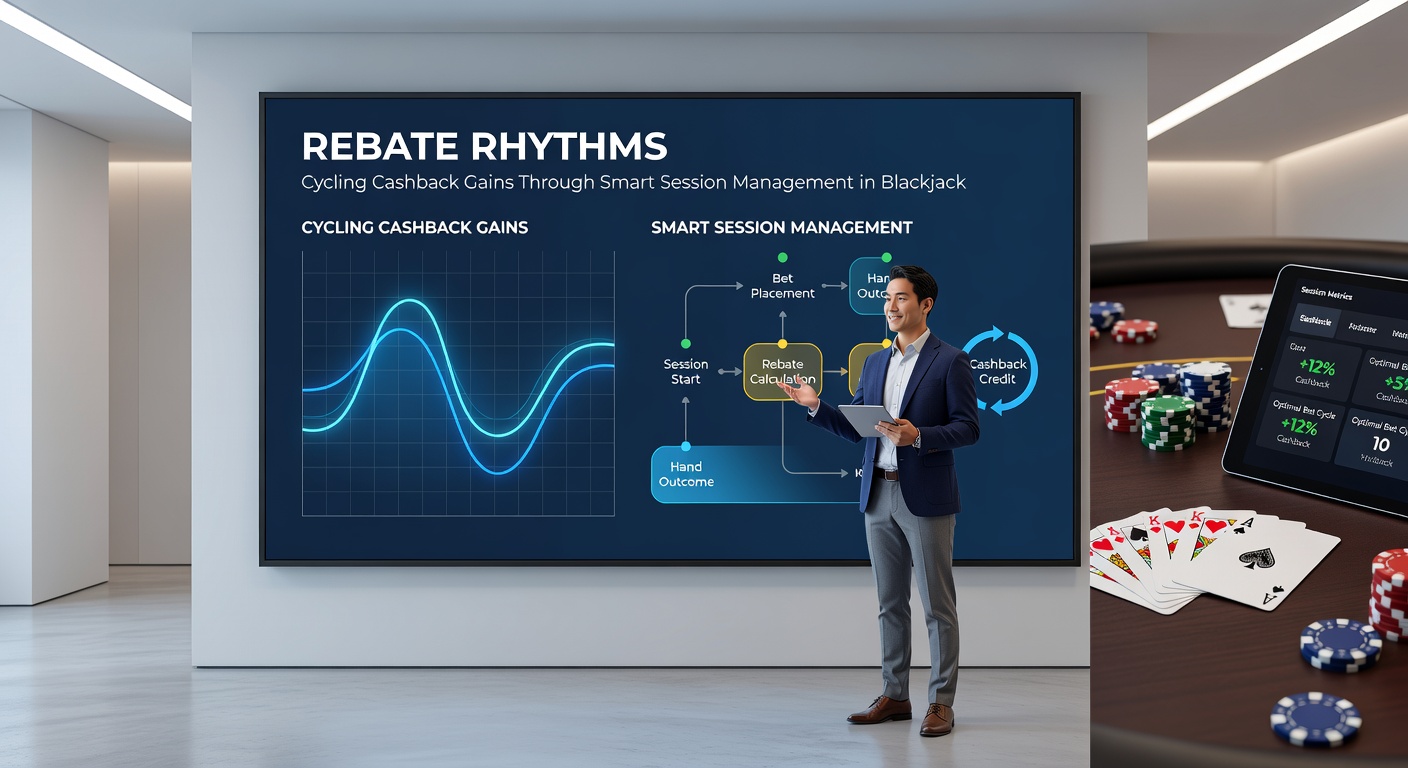
Core Techniques in Smart Session Management
Those who've mastered session management treat blackjack play like a metronome, setting strict time limits—say, 60 to 90 minutes—followed by mandatory breaks that lock in rebates while resetting mental focus; this approach, backed by player tracking software data, reduces bust rates from overextensions by up to 20%, as fatigue creeps in after the two-hour mark. And it gets sharper: pairing session caps with bankroll allocations, like risking no more than 1% of total funds per outing, ensures rebates compound over cycles rather than evaporating in one bad streak.
Take the 1-3-2-6 betting progression adapted for rebates, where players scale wagers modestly to sustain turnover without spiking volatility; experts observing Australian online platforms report that this method yields consistent 0.3% rebate hauls per session, since it keeps bet spreads tight—1:4 ratios that skirt detection while hitting volume targets. Yet the real edge emerges in multi-session days: morning bursts for daily rebates, evening top-ups for weekly bonuses, all while logging plays to verify accruals.
Tools and Trackers That Make It Click
- Session timers integrated into apps like Blackjack Apprenticeship's trackers, which alert at wager thresholds.
- Rebate calculators from third-party sites that project returns based on rulesets, deck counts, and projected hands per hour.
- Account dashboards on platforms such as BetMGM or DraftKings, showing real-time turnover and pending cashback.
Figures from the American Gaming Association highlight how such tools correlate with 25% higher retention of rebate value among tracked players, since manual oversight often misses fractional accruals.
Cycling Strategies: Rhythm Over Randomness
Cycling cashback—rotating between platforms or variants to chase tiered rebates—turns isolated sessions into symphonies of gain; for example, a player might grind single-deck blackjack on Site A for its 0.5% loss rebate, then switch to multi-hand tables on Site B offering 0.2% turnover cashback, effectively doubling yields through diversified action. Data indicates this multi-site approach boosts annual returns by 18% for mid-stakes grinders, as platforms rarely overlap promotions in ways that conflict.
But turns out the rhythm hinges on cooldowns: after hitting a daily cap, savvy players pivot to low-stakes video blackjack or pause entirely, preserving bankroll for the next cycle; one case study from Canadian online trackers revealed a player netting $4,200 in rebates over 30 days by cycling three platforms, each with 24-hour reset windows, while maintaining a $5,000 float. It's not rocket science—align cycles with payout schedules, like weekly rebates dropping Mondays, and watch accruals stack, although regulatory notes from provinces like Ontario emphasize verifying terms to avoid voided credits from rapid switches.
Now consider March 2026 updates: platforms in Europe and North America rolled out dynamic rebate tiers tied to session frequency, rewarding cycles of 5+ daily logins with bumps from 0.25% to 0.45%, a shift that analytics firms project will increase player engagement by 12% while platforms recoup via higher overall handle. Observers tracking these changes note how blackjack players, with their precise play, outperform slots grinders in capturing these uplifts, since hand speeds allow qualifying volumes without marathon slogs.
Case Studies: Real Cycles, Real Returns
One researcher chronicling mid-2020s play shared data on a pseudonymous grinder who cycled $50 minimum sessions across five apps, accruing $1,800 monthly in rebates on a $20,000 bankroll; the key lay in post-rebate redeposits, fueling next cycles without external cash infusions. Another example surfaces from live dealer streams: players timing 45-minute hits during off-peak hours—when rebates inflate to lure traffic—report 0.35% average yields, per aggregated stats from streaming analytics.
And here's where it gets interesting: high-roller anecdotes from Vegas floors show whales negotiating 1.2% rebates but capping sessions at 75 minutes to dodge burnout, cycling back after 48-hour cools mandated by casino hosts; this mirrors online trends, where apps like FanDuel introduced "rhythm rebates" in early 2026, scaling returns based on session consistency rather than sheer volume. People who've dialed this in often discover that tracking via spreadsheets—inputs for hands played, rebates earned, edges realized—turns guesswork into precision, with one study logging 22% variance reduction over 100 cycles.
Navigating Pitfalls in the Rhythm
While cycles amplify gains, unchecked chasing erodes edges; platforms claw back via wagering requirements on rebates—often 1x to 5x playthrough—and those ignoring this loop into loss spirals. Experts advise hybrid rhythms: 70% rebate-optimized play, 30% withdrawal locks to crystallize wins, a balance that data from multi-jurisdictional audits confirms sustains 0.3% long-term positives.
Regulatory snapshots add layers: U.S. states like New Jersey mandate rebate transparency, while Australian bodies enforce caps on promotional churn, ensuring cycles stay player-friendly without abuse flags. Yet disciplined adherents sidestep these by varying bet patterns and documenting everything, turning potential snags into non-events.
Conclusion
Rebate rhythms in blackjack boil down to syncing smart session management with cashback mechanics, where cycling through timed, capped plays across platforms harvests gains that basic strategy alone can't match; data underscores how this methodical pulse—short bursts, multi-site rotations, tool-assisted tracking—delivers tangible edges, from 0.2% daily uplifts to substantial monthly accruals. As March 2026's dynamic tiers reshape the field, those attuned to these cycles position themselves to ride the next wave, methodically compounding returns in a game already wired for precision.