Player Tracking Systems Mapping Blackjack Session Durations to Bonus Qualification Thresholds Across Networked Casinos
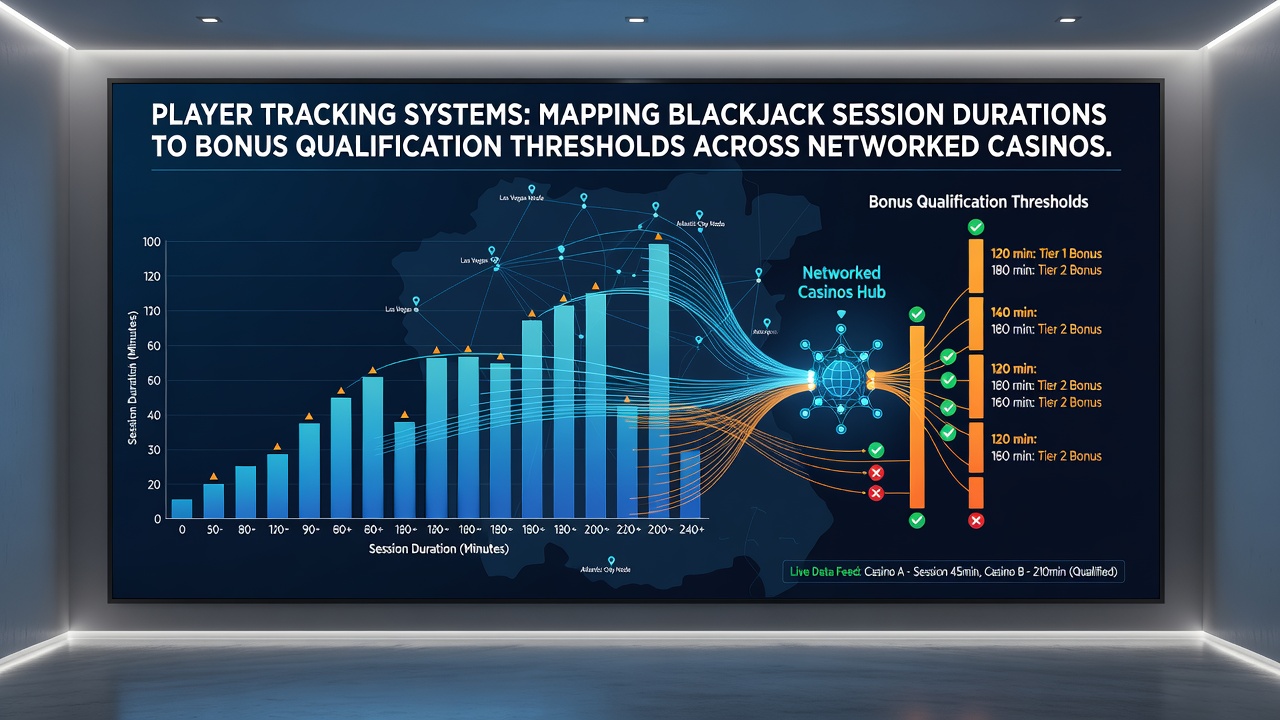
Player tracking systems collect detailed data on blackjack sessions across multiple casino properties connected through shared loyalty networks, and they translate time spent at tables into eligibility for various bonus structures. These platforms record entry times, average bet sizes, hands played per hour, and total duration while assigning points that accumulate toward predefined qualification levels. Network operators use this information to automate rewards such as free play credits, hotel stays, and event invitations once certain duration benchmarks are reached.
Data Collection Methods in Live and Digital Environments
Casino floors install RFID readers in table felt along with card readers at each position, and these devices feed continuous information into central servers that operate across regional properties. Online platforms integrate similar tracking through account-linked software that timestamps every hand and calculates cumulative session length in real time. Observers note that July 2026 updates to several major networks introduced standardized APIs allowing seamless data exchange between land-based and mobile environments without manual reconciliation steps.
Systems typically segment sessions into thirty-minute intervals before applying multipliers based on average wager volume, and this segmentation helps determine when a player crosses into the next bonus tier. Research from the University of Nevada, Las Vegas gaming laboratories shows that average session lengths for tracked blackjack players range from forty-five minutes to three hours depending on property type and time of day.
Threshold Structures and Qualification Mapping
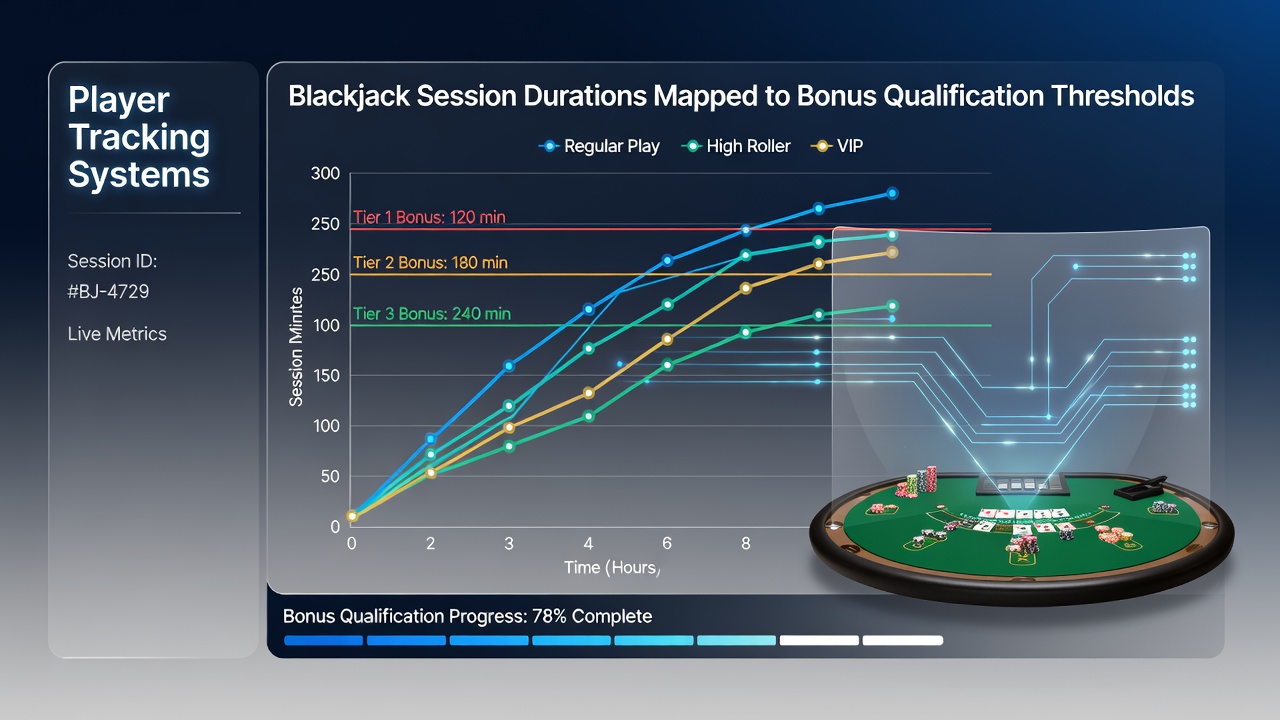
Bonus programs establish graduated thresholds where sixty minutes of tracked play at a minimum average bet unlocks entry-level rewards while one hundred eighty minutes combined with higher wager requirements opens premium tiers. Networked systems apply these rules uniformly across affiliated locations so a session started in one city counts toward qualification at another property within the same group. Data shows that operators adjust thresholds quarterly using historical play patterns to balance player retention against operational costs.
Multi-property networks employ algorithms that factor in travel between venues and award bonus time credits when players move locations within a defined window. This approach prevents gaps in recorded duration and maintains continuous qualification progress. Figures from industry reports indicate that players who complete sessions across three or more connected properties reach top-tier status thirty percent faster than those who remain at single sites.
Integration Across Regional Casino Groups
Large operators link their databases through secure cloud platforms that synchronize player profiles every fifteen minutes, and this frequency ensures that duration data remains current even when individuals switch between properties during the same day. Canadian regulatory frameworks administered by the Alcohol and Gaming Commission of Ontario require documented audit trails for all cross-property point transfers, creating standardized reporting that other jurisdictions reference when developing their own rules. Network agreements specify data retention periods ranging from eighteen to thirty-six months depending on player consent levels and local statutes.
Smaller regional groups participate in cooperative tracking arrangements managed by third-party technology providers, and these partnerships allow independent casinos to offer comparable bonus structures without building proprietary systems. Session mapping in these arrangements relies on anonymized identifiers that protect individual privacy while still enabling accurate duration calculations across participating venues.
Regulatory Oversight and Reporting Requirements
Gaming control boards in multiple jurisdictions mandate that tracking systems undergo periodic testing to verify accurate mapping of session durations to bonus thresholds. Auditors examine sample data sets to confirm that time recorded matches actual table presence and that bonus awards correspond exactly to qualification criteria. Nevada Gaming Control Board guidelines updated in early 2026 emphasize real-time monitoring capabilities that flag discrepancies within five minutes of occurrence.
Operators must maintain backup servers capable of restoring session histories within four hours of any system interruption, and failure to meet this standard triggers mandatory player notifications along with temporary suspension of bonus processing. These requirements apply uniformly whether sessions occur on physical tables or through licensed digital interfaces connected to the same network.
Conclusion
Player tracking systems continue to evolve as networked casinos refine how session durations convert into bonus qualifications, and the July 2026 technology upgrades demonstrate ongoing standardization across both physical and digital channels. Accurate mapping depends on consistent data collection, secure cross-property integration, and adherence to regional regulatory standards that protect both operators and participants. Continued development in this area centers on improving synchronization speed and expanding audit capabilities while maintaining compliance with existing oversight frameworks.